
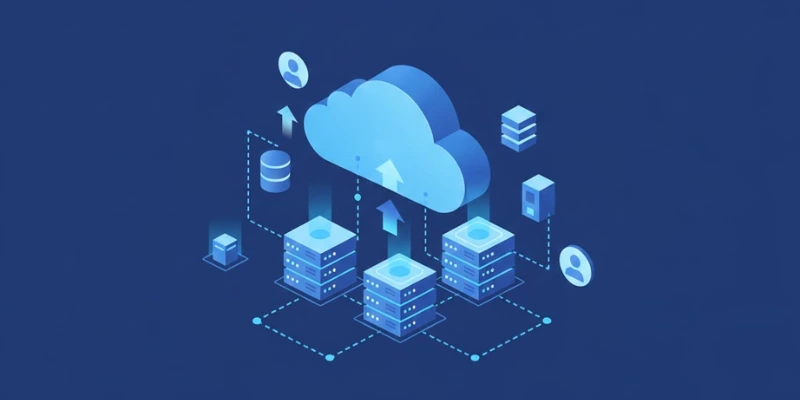
Cloud computing has become the backbone of modern technology, powering everything from mobile apps to enterprise systems. For beginners, the biggest challenge is understanding how cloud concepts fit into real careers without feeling overwhelmed by technical terms. Learning the fundamentals helps you see how data, applications, and infrastructure work together in today’s digital world. Many learners start this journey through Cloud Computing Courses in Trichy, where the focus is on building clarity around core concepts that employers actually expect.
Understanding What Cloud Computing Really Means
Cloud computing refers to delivering computing services such as servers, storage, databases, networking, and software over the internet. Instead of owning physical hardware, organizations access resources on demand. This shift reduces cost, improves scalability, and supports remote work. For beginners, understanding this basic idea is crucial because it explains why companies prefer cloud platforms over traditional systems.
Why Businesses Are Moving to the Cloud
Companies adopt cloud solutions to become more agile and competitive. Cloud platforms allow businesses to scale resources up or down based on demand, which is especially useful during peak usage periods. They also improve collaboration by enabling teams to access systems from anywhere. Understanding these business reasons helps beginners connect technical learning with real-world decision-making and interview discussions.
Career Opportunities in Cloud Computing
Cloud computing opens doors to roles such as cloud administrator, support engineer, and solutions architect. These roles exist across industries including finance, healthcare, and e-commerce. As demand grows, companies look for professionals who understand both technology and business impact. Learners exploring Cloud Computing Courses in Erode often notice how cloud skills align well with long-term career stability and growth.
Key Cloud Service Models Explained
Cloud services are commonly categorized into infrastructure, platform, and software-based models. Each model offers a different level of control and responsibility. Beginners should focus on understanding how these models support application development and deployment. This clarity helps learners explain cloud choices logically, a skill often tested during technical interviews and entry-level job discussions.
Deployment Models and Their Use Cases
Cloud systems can be deployed in public, private, or hybrid environments. Each deployment model suits different business needs, such as security, compliance, or flexibility. Knowing when and why organizations choose a specific model gives beginners a stronger conceptual foundation. This knowledge also helps when discussing architecture basics during interviews or team discussions.
Core Skills Needed to Work with Cloud Platforms
Cloud roles require a mix of technical and analytical skills. Understanding networking basics, storage concepts, and security principles is essential. Practical exposure helps learners connect theory with execution. Many beginners strengthen these skills through AWS Training in Trichy, where foundational cloud concepts are linked with hands-on problem-solving and real-world scenarios.
Common Beginner Mistakes and How to Avoid Them
New learners often focus too much on tools without understanding core concepts. Skipping fundamentals like networking or security can create gaps later. Another mistake is memorizing terms without practical understanding. Beginners should aim to learn how components interact rather than treating cloud services as isolated features.
Cloud computing fundamentals provide a strong base for anyone entering the IT field. As digital systems continue to evolve, professionals who understand cloud principles remain relevant across roles and industries. Building a future-ready career means combining foundational knowledge with adaptability and continuous learning. Exposure to advanced environments and platforms, including paths connected to AWS Training in Salem, helps learners prepare for long-term growth in an increasingly cloud-driven job market.
Also Check: Importance Of Cloud Computing