
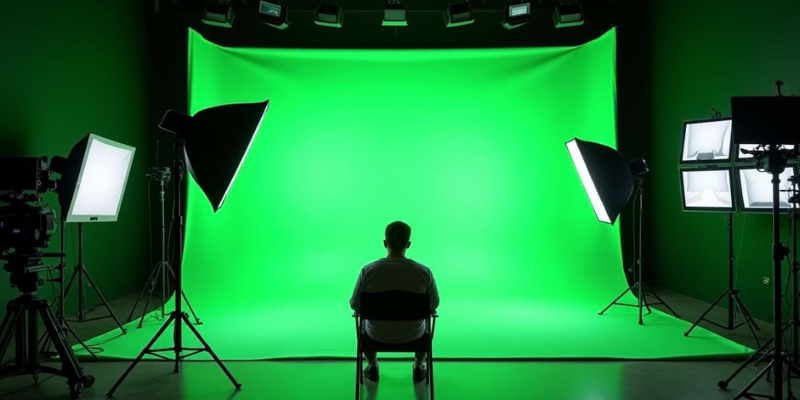
The creation of films, TV series, commercials, and digital material has been revolutionized by visual effects (VFX). Many of the images we see on screen, from future cityscapes to fantastical worlds, are not shot in actual places. Rather, green screen technology is used to generate them. However, a lot of novices and even enthusiasts frequently wonder why green screen, green color, or even just green screen are used for visual effects.
Efficiency, technology, and science work together to provide the solution. Filmmakers and VFX artists may easily swap out backgrounds on green screens without sacrificing visual quality or realism.This post will look at five primary reasons to use green screen, explaining its importance in modern VFX workflows with clear, practical examples. Enroll in the Video Editing Training at FITA Academy to develop strong creative and technical skills, master industry-standard editing tools, and gain practical project experience, enabling you to create professional-quality videos and pursue rewarding careers in media and digital content creation.
Green Provides the Best Color Separation for Clean Keying
Green screen’s superior color separation is one of the primary reasons it’s employed for visual effects. Human skin tones, hair, and regular clothing hardly ever contain the color green. VFX software can more easily differentiate the subject from the background as a result. The program substitutes a certain color in this case, green with a digital background when editors use a technique known as chroma keying. The subject is preserved without missing edges or problems with transparency because green does not overlap with natural skin tones. As a result, fine details, clothing, and hair have smoother contours.
This is also the reason why green is chosen in visual effects rather than hues like red or yellow, which are more frequently found in clothing and skin tones. Cleaner images, fewer manual correction, and a more realistic final product are all possible with improved color separation.
Green Screens Are Easier to Remove in Post-Production
The effectiveness with which green screen may be eliminated during post-production is another compelling argument for its utilization. Green seems brighter on camera because it reflects more light than most other hues. This brightness makes it easier for cameras to catch backgrounds with a uniform shade of green. Editing programs like Adobe After Effects, Nuke, or DaVinci Resolve can easily remove a consistent green background. The compositing process gets quicker and more precise as the green screen footage gets cleaner. Build a strong creative foundation with practical, industry-oriented Video Editing Course in Chennai, designed to enhance visual storytelling skills and prepare you for entry-level roles in media, advertising, and digital content creation.
This effectiveness explains why many professional studios solely utilize green screen. Green screens often consume less lighting power and create fewer shadows, saving time and money during editing, while blue screens are occasionally utilized.
Green Requires Less Lighting Compared to Other Colors
Another reason green screen is used for VFX is because lighting is crucial to the production process. Green requires fewer lights to create an equal tone since it reflects light more effectively than blue or darker hues. Studios can cut setup time and production expenses by using less lighting equipment. For large-scale shootings, commercials, or hectic content development settings, this is particularly crucial. Green screens are used by YouTube creators and small studios because to their ease of correct lighting.
The use of green in VFX workflows across industries is further explained by this useful benefit. Minimal shadows, fewer color discrepancies, and improved compositing results are all ensured by proper lighting. Develop a solid artistic and technical foundation through an industry-focused Animation Course in Chennai, aimed at improving creative design skills and preparing you for junior roles in animation studios, gaming, and multimedia industries.
Green Screens Improve Image Quality and Reduce Noise
Compared to red or blue, modern digital cameras are made to record more information in the green color channel. This is due to the Bayer filter pattern used by camera sensors, which incorporates more green pixels to more closely resemble human vision. Consequently, while processing video, green screens result in crisper edges and less digital noise. The adoption of green screen in high-caliber VFX creation is mostly due to this technical benefit. Editors can produce realistic composites free of undesired artifacts with cleaner footage. These are some requirements to be a VFX artist.
This also provides an explanation to the frequently asked issue, “Why is green screen used instead of other colors?” Smoother transitions between the subject and the digitally generated background are ensured by the superior image data acquired in green.
Green Screens Are Versatile Across Multiple Industries
The adaptability of green screen is one of the main reasons it is employed for visual effects. Green screens aren’t just for movies. They are extensively utilized in video games, commercials, social media content, virtual events, online education, television news, and weather forecasting. Green screens allow for the creation of dynamic marketing images and the placement of performers in fictional worlds, allowing for unrestricted creativity while filming content in controlled surroundings. Because of this adaptability, only green screen is utilized as the industry standard across various media platforms.
Green screens reduce reshoots, streamline operations, and provide VFX artists unrestricted creative license. Green screen technology is still crucial for both internet advertising campaigns and Hollywood blockbusters. Gain hands-on experience and build a strong technical foundation with professional VFX Courses in Chennai, designed to enhance visual effects skills and prepare you for entry-level roles in film, television, and digital production.
Why Not Other Colors Instead of Green?
Why green screen is utilized instead of colors like white, black, or red is a frequently asked question. Contrast, lighting, and technical constraints hold the key to the solution. White creates spill problems and reflects too much light. Black loses detail and absorbs light. Blue and red frequently contrast with clothing or skin tones. Green is the ideal combination of brightness, distinctiveness, and ease of software isolation. Because of this, green is the most dependable and effective color for chroma keying in visual effects. Learners who enroll in a Training Institute in Chennai for VFX can gain strong visual effects fundamentals, hands-on project experience, and creative confidence that enhance their professional growth in film, media, and digital production industries.
End suggestion
Understanding why green screens are used helps both beginners and professionals appreciate their crucial role in modern visual storytelling. Green screens deliver clear advantages in post-production, including superior color separation, easier keying, efficient lighting control, and enhanced image quality. This is why the VFX industry prefers green over other colors and has established green screen technology as the standard. As visual effects continue to evolve across film, gaming, advertising, and digital media, green screens remain an essential tool that enables limitless creative possibilities.